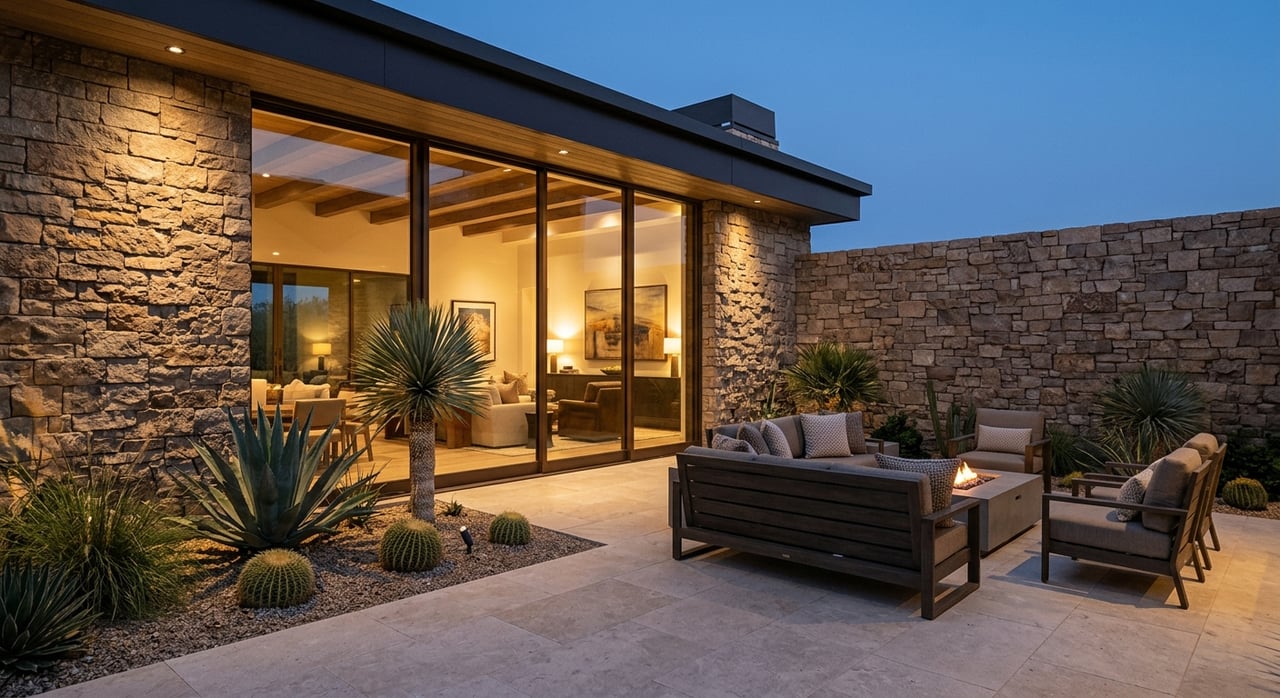
Pricing A West Sedona View Home In Today’s Market
June 4, 2026
June 4, 2026
If you own a view home in West Sedona, you already know the hardest question is not whether your property is special. It is how to price that uniqueness in a market where one block can behave very differently from the next. The good news is that there is a smart way to do it. In this guide, you’ll see how today’s West Sedona market is behaving, what buyers and appraisers tend to value in a view property, and how to set a list price that the market can support. Let’s dive in.
West Sedona is not one neat, uniform submarket. The City of Sedona’s 2024 Community Plan identifies a West Sedona Commercial Corridor Community Focus Area around Dry Creek and West 89A, plus Rodeo and Coffeepot near West 89A. That matters because homes near the corridor, homes tucked into quieter residential pockets, and homes on stronger view lots may not compete with the same buyer pool in the same way.
That is why broad Sedona averages can be misleading when you price a West Sedona view home. Two properties can share a ZIP code and still have very different value drivers. In this part of Sedona, location inside the submarket matters almost as much as location on the map.
Spring 2026 data points to a high-value and active market, but the numbers vary depending on the source and what each platform measures. Redfin reported a March 2026 median sale price of $1.32 million and 56 days on market. Realtor.com reported a $1.10 million median listing price, 366 homes for sale, 56 median days on market, a 98% sale-to-list ratio, and a balanced market.
Zillow’s April 2026 home value index placed the average Sedona home value at $906,178, with homes going pending in about 26 days. These figures are not interchangeable, but together they show a market where buyers are active, inventory exists, and pricing still needs precision. If you lean too hard on one headline number, you can miss where your home truly fits.
West Sedona also has real inventory depth. Zillow’s West Sedona single-family page showed 83 homes for sale, with asking prices ranging from about $749,900 to $5.75 million. That spread alone tells you why price per square foot is only one piece of the puzzle.
A West Sedona view home is rarely priced correctly by size alone. Fannie Mae notes that appraisers evaluate size and design, overall condition, location and views, and extra features. Its guidance also treats view as part of the site analysis, asking the appraiser to identify the range of view, whether it is the primary view, and whether its impact is beneficial, neutral, or adverse.
In plain terms, buyers usually pay more for the quality of the view experience, not just the fact that a view exists. A full red rock panorama generally competes differently than a partial glimpse. A sightline that feels protected tends to be more compelling than one that could be softened by neighboring improvements or landscaping over time.
Orientation matters too. If your main living spaces, primary suite, or outdoor entertaining areas face the strongest scenery, the home may feel more valuable than a property where the best view is off to the side. The architecture, window placement, and flow to patios or decks can all affect how much of a premium buyers are willing to recognize.
Sedona’s draft housing analysis adds useful context. The city is heavily single-family, and only 21% of homes were built since 2000. In a market with fewer direct substitutes, condition and modernization can strongly influence how buyers compare one view home against another.
That means a great view does not automatically override dated finishes, deferred maintenance, or weak presentation. If a buyer has to mentally subtract for repairs or updating, part of your view premium can disappear during comparison shopping. The same view can feel more valuable when the home is clean, current, and ready to enjoy.
This is especially true in West Sedona, where many homes are distinctive rather than interchangeable. When inventory includes both updated and older homes, buyers often decide value by asking a simple question: How much work will I need to do before I can fully enjoy this setting?
The recent sales picture in West Sedona makes one point very clearly: there is no single formula. Here are a few examples from the local market:
Zillow’s recent solds in West Sedona also span a broad range, from about $750,000 at 2256 Roadrunner to $2 million at 85 Piki, with multiple sales in between. That kind of spread is exactly why your best pricing strategy is to compare your home to properties with similar view quality, property type, condition, and finish level. Averages alone are too blunt.
The most defensible list price usually starts with near-neighbor sales. From there, the adjustments matter. For a West Sedona view home, the key questions often include:
Fannie Mae’s guidance also notes that appraisers are expected to analyze market changes between contract date and appraisal date and to apply time adjustments when the data supports them. In a market that can shift while your home is listed, stale comps can create pricing problems.
That is one reason straight talk matters. Reaching for an old high-water sale that does not match your home’s current competition can cost you time and negotiating leverage. Strong pricing is not about winning the first conversation. It is about creating a number that buyers, appraisers, and the market can validate.
When the view is part of your home’s value story, your preparation should make that obvious right away. Window lines should feel open and clean. Vegetation should be trimmed carefully where appropriate so key sightlines read well in person and in photos.
Exterior touch-ups can matter more than many sellers expect. Fannie Mae’s appraisal guidance includes condition, landscaping, views, and property features in the value analysis. That means the way your home frames and delivers the view can influence both buyer reaction and how the property is supported during appraisal.
A few practical priorities often make a difference:
The goal is simple. When a buyer walks in, the experience should match the price you are asking.
In a balanced market, overpricing can do more damage than many sellers realize. Realtor.com’s Sedona data points to about 56 days on market and an average sale-to-list ratio near 98%. That suggests buyers are still paying close to asking price when a home is positioned well, but it does not suggest unlimited pricing power.
If you start too high, buyers may hesitate, compare harder, and wait for a reduction. That can weaken your position instead of protecting it. For a distinctive West Sedona view home, the better strategy is usually to price for credibility, show beautifully, and let the market confirm the home’s strengths quickly.
That does not mean underpricing a special property. It means respecting how buyers make decisions in a market with meaningful choice and wide quality differences. The right list price should feel ambitious and supportable.
In today’s West Sedona market, pricing a view home well means balancing data with local judgment. You want to start with the closest relevant sales, then adjust for view protection, orientation, property type, condition, finish level, outdoor livability, and timing. That process is more disciplined than pulling a broad neighborhood average or chasing an online estimate.
For distinctive homes, precision matters. Buyers in this segment tend to notice details, and appraisers are trained to do the same. When your price reflects how the home truly lives and how it compares to local alternatives, you put yourself in a stronger position from the first showing through the final appraisal.
If you are thinking about selling a West Sedona view property, a careful pricing strategy can make the difference between sitting and selling well. For a confidential, data-driven look at where your home fits in today’s market, connect with Kris Anderson- ILoveSedonaRealEstate.
At ILoveSedonaRealEstate, we’re committed to making every step of your real estate experience seamless and rewarding. Contact us today to discover how our local expertise and tailored service can help you achieve your real estate goals.