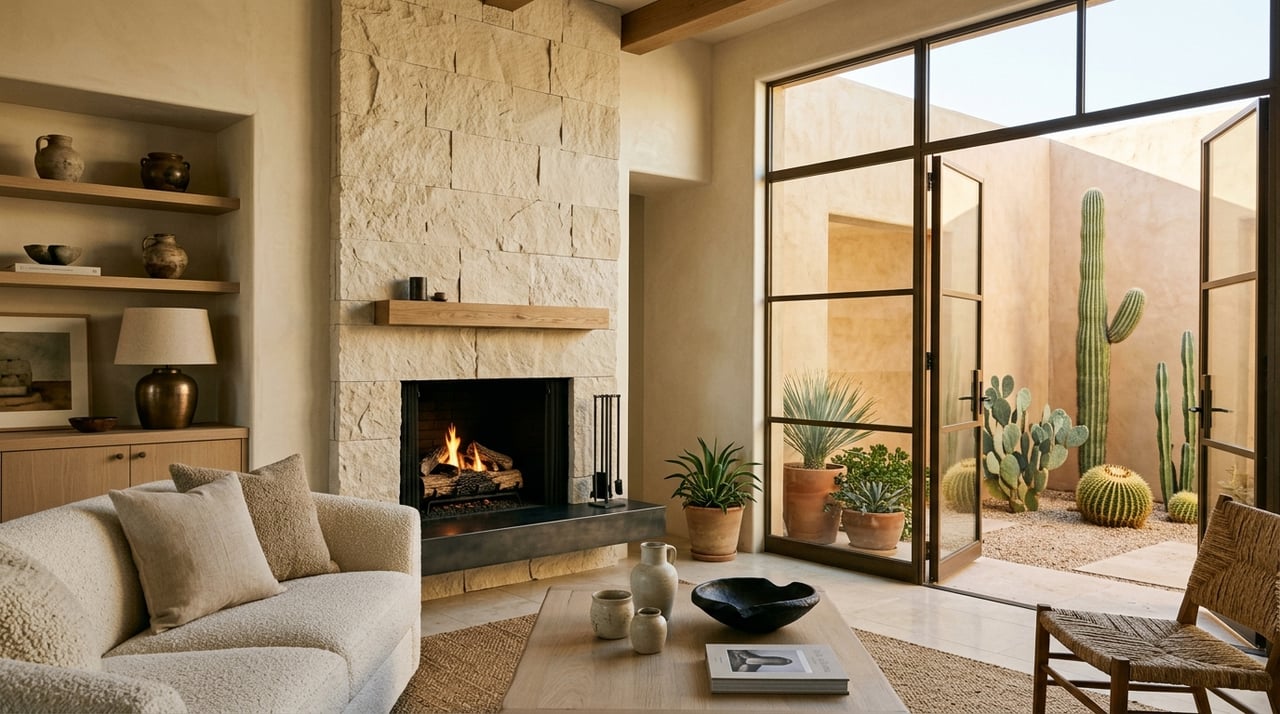
Should You Sell Your Uptown Sedona Vacation Home Now Or Wait?
June 18, 2026
June 18, 2026
If you own an Uptown Sedona vacation home, the big question is not just can you sell now. It is whether selling now gives you the strongest outcome, or whether a short wait could help you present the property more effectively. In 86336, buyers are still active, but they are also selective, and that means timing depends as much on preparation as it does on the market itself. Here is how to think through the decision with clarity and confidence.
Current data suggests Sedona is active, but not overheated. Zillow’s May 31, 2026 snapshot for 86336 shows an average home value of $995,076, 168 homes for sale, a median list price of $1.338 million, and 26 days to pending. Realtor.com’s April 2026 86336 data shows 212 homes for sale, a median listing price of $1.38 million, 55 days on market, and a 98% sale-to-list ratio.
Redfin’s May 2026 Sedona numbers also point to a market with normal friction, showing a median sale price of $1.179 million and 49 days on market. The exact figures vary by platform and timeframe, but the overall message is consistent. You are not looking at a panic market, and you are not looking at a market where almost anything sells instantly at any price.
For sellers, that creates a practical takeaway. If your Uptown vacation home is well prepared, priced with discipline, and presented clearly, selling now can make sense. If the home still needs updates, documentation, or stronger marketing materials, waiting briefly to get those pieces right may be the smarter move.
Uptown is not just another part of Sedona. It is an area the city is actively shaping as a more walkable visitor district, with completed pedestrian improvements intended to improve traffic flow, safety, and access to businesses on both sides of Main Street. The Uptown View Walk also supports safer pedestrian connectivity.
The city’s parking and wayfinding plan says the Uptown garage is expected in mid-2026, with changes aimed at easier access and better traffic flow. Sedona’s transit information also notes that the Verde Shuttle connects West Sedona, Uptown, and the northern portions of SR 179. For a vacation home owner, that matters because convenience is a real part of Uptown’s appeal.
That does not mean every buyer will pay a premium simply because a home is in Uptown. It does mean your property can be positioned around walkability, visitor access, and the ease of enjoying the area without relying on a broad citywide pitch. In a market like Sedona, that kind of specific story often matters more than generic marketing language.
The research points to three main variables in this decision. Those are your home’s show-ready condition, how well it can compete online today, and whether you want to wait for Uptown access and parking improvements to mature further. That is a more useful lens than trying to guess the next market headline.
If your home already shows well and has a clear convenience and lifestyle story, listing now may allow you to meet current demand without over-waiting. If your home is only halfway prepared, a rushed listing could cost you momentum and negotiating strength. In this market, buyers have enough options to compare presentation carefully.
A short wait can be helpful when it has a purpose. Waiting without a plan is different from waiting to complete repairs, improve staging, organize short-term rental records, or create stronger marketing assets. The goal is not to delay for delay’s sake, but to time the launch so the property enters the market in its best light.
For a second home or vacation property, buyers often start their decision from a distance. That makes condition and presentation especially important because many first impressions happen online. Buyers want to understand the home quickly, clearly, and with as little uncertainty as possible.
NAR’s staging guide says 83% of buyers’ agents believe staging makes it easier for buyers to visualize a property. The same guide notes that more than a quarter of professionals say staging can add 1% to 10% to the dollar value offered, while about half say it can shorten time on market.
That does not mean every home needs a full redesign. It does mean clutter, worn finishes, dated photos, and unfinished maintenance can weigh more heavily in a lifestyle market where buyers are comparing experience as much as square footage. For an Uptown vacation home, the presentation needs to help buyers picture ease, comfort, and a smooth ownership experience.
If you are deciding whether to sell now or wait, this checklist can help you figure out whether your home is truly launch-ready.
These steps are especially helpful if you live out of area. Remote owners often benefit from a more structured listing plan because fewer loose ends mean a smoother process once showings begin.
In a destination market, your buyer may not be local. NAR’s buyer research shows that online shoppers value photos, detailed property information, floor plans, virtual tours, and neighborhood information. For a vacation home, those tools are not extras. They help a buyer understand the property before making the effort to visit in person.
This is one reason some owners should sell now, while others should wait a bit. If your home already has strong visuals and a clear market position, you may be ready. If the property still lacks polished media or a complete story, waiting long enough to fix that gap can improve both interest and confidence.
Before listing, it is wise to confirm how the property is classified. The Arizona Department of Revenue says a homeowner can have only one primary residence, and a vacation home or a home rented to non-qualified family members cannot qualify as the primary residence. For second-home owners, this is a practical issue to review early rather than late.
Yavapai County’s classification form asks for supporting documents such as a driver’s license, tax return, voter ID card, vehicle registration, or utility bill. If you own from out of area, checking your file before the home goes on the market can help avoid confusion during the sale process. It is a small step, but it can save time.
If your Uptown home has been used as a short-term rental, there is another layer to review. Sedona’s current rules say owners need a TPT license and a City short-term rental permit before advertising or renting. Each advertised unit needs its own permit, special events are prohibited, and HOA rules may still block short-term rental use.
The city also requires permit numbers on listings and maintains a 24/7 hotline and incident-report process for neighborhood issues. If your home has rental history, organizing permits, records, and related disclosures before listing can help the sale go more smoothly. For some owners, that paperwork is a good reason to wait briefly and get everything in order first.
Selling now may be the right move if your home checks most of the key boxes already. In today’s 86336 market, well-positioned homes can still attract serious attention, especially when they are distinctive and easy to understand.
If that sounds like your situation, waiting may not create much added value. A sharp launch today could put you in front of motivated buyers without unnecessary delay.
Waiting can make sense if there is a clear reason behind it. In this market, extra preparation can matter more than simply choosing a later date.
The key word here is short. If you wait, the time should be spent improving your position, not just postponing the decision.
86336 is not one uniform market. Realtor.com’s neighborhood data shows meaningful price variation, from $762,500 in Ponderosa Trails to $2.6725 million in Forest Highlands. That range underscores a simple truth in Sedona: location, views, access, and property type can outweigh broad averages.
For an Uptown vacation home, pricing should reflect the property’s exact convenience, design, condition, and buyer appeal. This is where many sellers either gain leverage or lose it. A one-of-a-kind property needs careful positioning, not a generic number pulled from a citywide headline.
There is no strong data signal saying you must sell now before conditions worsen, and there is no clear signal saying you should wait for a big jump in value either. The stronger case is this: if your Uptown Sedona vacation home is ready to compete right now, you may be well positioned to sell in a market that still has active demand. If it is not ready, a focused period of preparation could improve your outcome more than trying to guess the perfect month.
For distinctive Sedona homes, timing works best when it is paired with strategy. If you want a clear read on pricing, presentation, and how your property fits the current Uptown story, Kris Anderson- ILoveSedonaRealEstate can help you map out the smartest next step.
At ILoveSedonaRealEstate, we’re committed to making every step of your real estate experience seamless and rewarding. Contact us today to discover how our local expertise and tailored service can help you achieve your real estate goals.